

Emergency equipment for ski touring
The standard emergency kit for a backcountry tour consists of everything you hopefully will never need. But if something happens, it can mean the difference between life and death. That’s why you should always carry the following items with you when ski touring, freeriding, or off-piste skiing.
Preparation is key
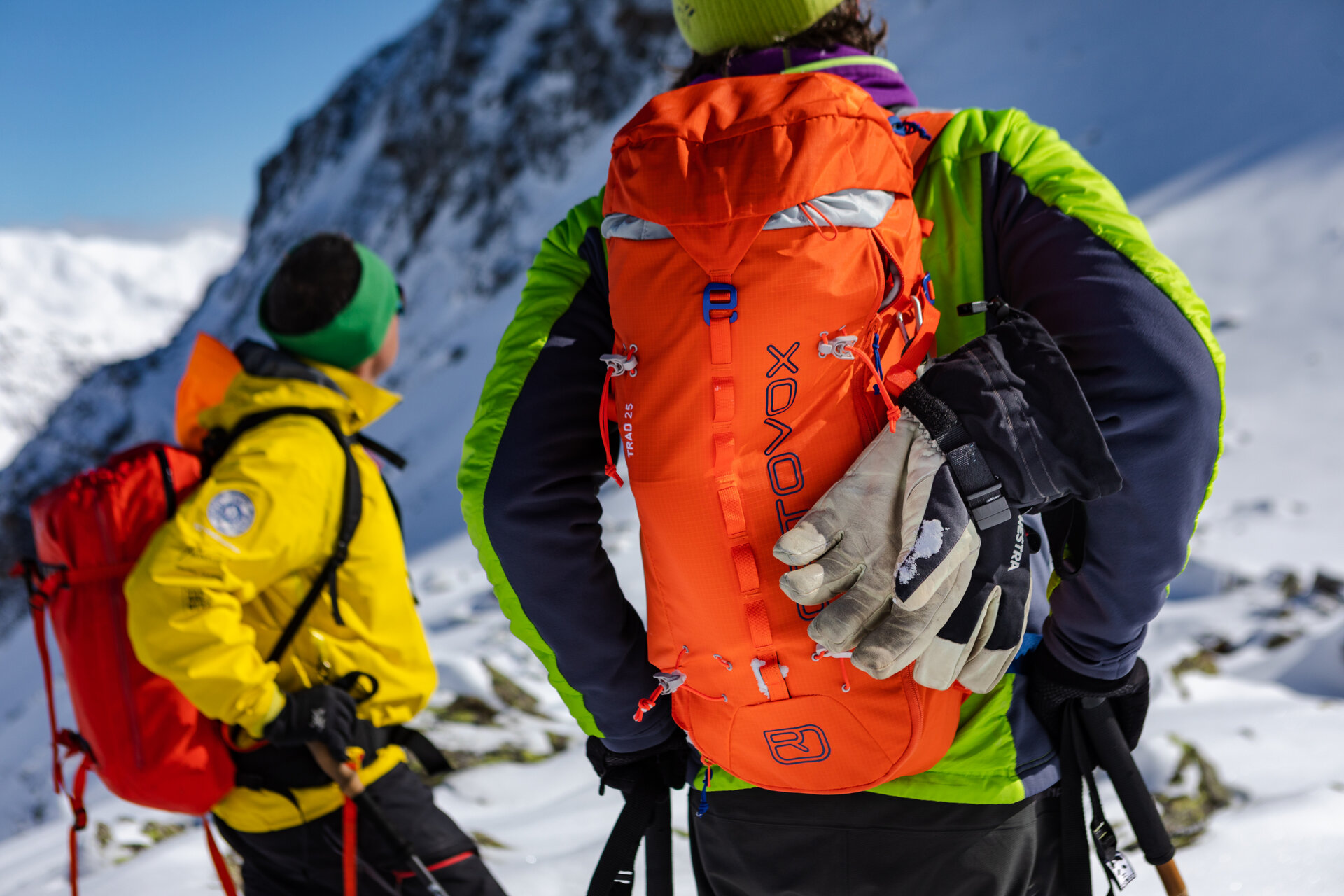
The Backpack
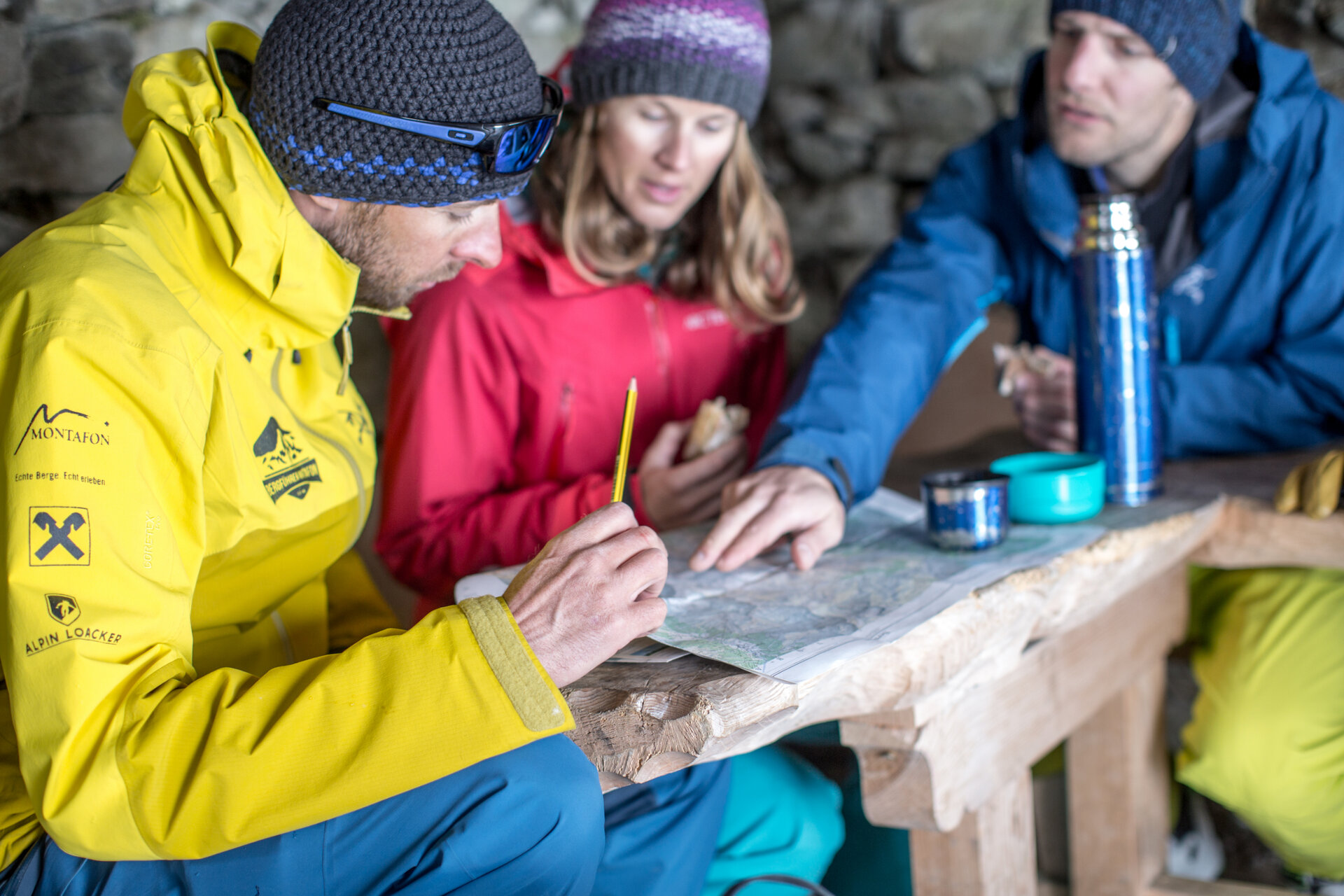
A compact but not too small backpack, usually around 15 to 25 liters, is sufficient for most day trips or freeride days. In addition to a shovel and probe (see below), your backpack should contain a first-aid kit, a two-person bivy sack, spare gloves, spare skins, and extra clothing. You should also always pack a map of the area, plenty of water, and a quick snack such as a granola bar or chocolate.
The Shovel
The shovel should be stored together with the probe in an easily accessible compartment in your backpack and should preferably be made of aluminum. There are various models: some are easy to assemble, others a bit more difficult. Try them out in the store before buying. An extendable handle often makes shoveling easier.


The probe
It is between two and three meters long. However, an average length of two and a half meters is perfectly sufficient. It’s convenient if the probe has an automatic lock so it can be deployed quickly. It’s important that the probe and shovel are easily accessible in your backpack, since they’re only used in an emergency. That’s why you shouldn’t store them in an additional bag (which is often included with the purchase).
The Avalanche Transceiver
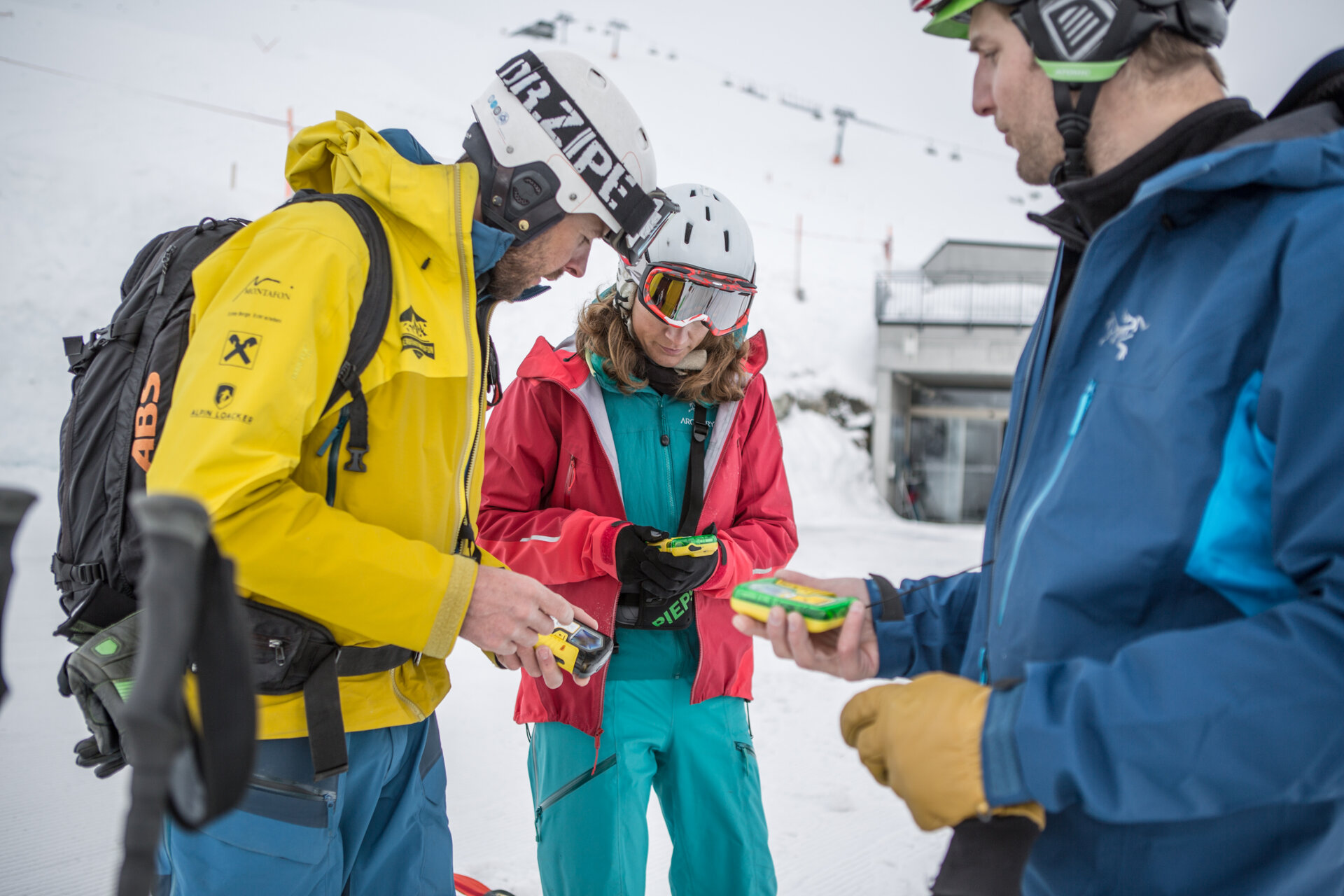
A modern avalanche transceiver should be equipped with three antennas and a display. This not only makes it easier to search for buried victims but also increases your own chances of being found more quickly. Make sure the batteries are fully charged when packing.
My tip
Replace or recharge the device when the battery is at 30 to 40% capacity. As with everything, practice makes perfect when it comes to using the device. I also strongly recommend that you take a course on how to properly use the avalanche transceiver before your first tour or on a regular basis.
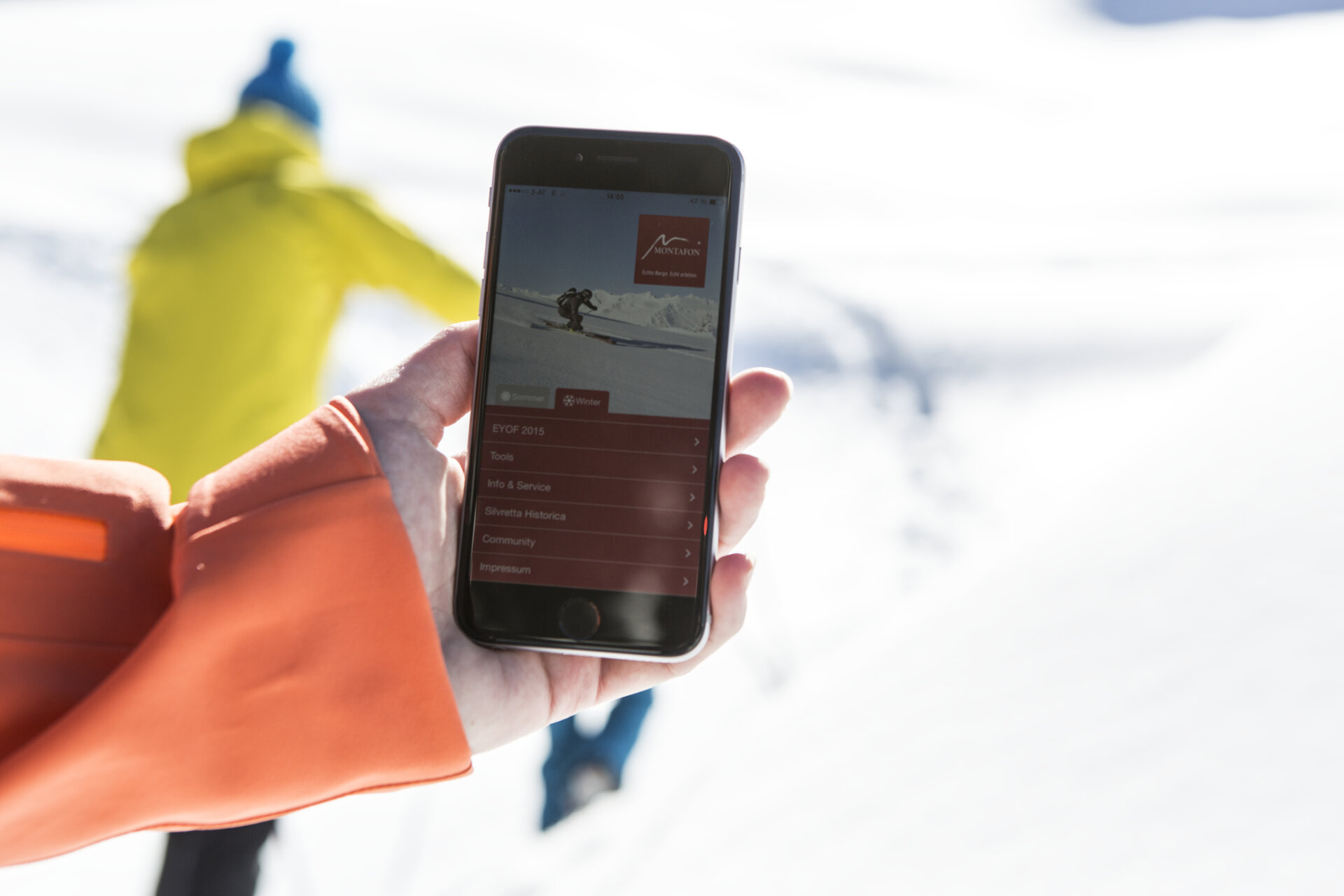
The cell phone
For responsible ski tourers and freeriders, a cell phone is also part of their emergency gear. Even if there’s no signal at the scene of an accident, you can still call for help: Turn it off. Turn it on. Press the emergency button and provide details about the accident.
Warning
The cell phone and avalanche transceiver should be carried at least 20, preferably 50 centimeters apart. Any additional equipment, such as a helmet, protective gear, ABS backpack, or GPS device, is not part of standard emergency gear and should be used by each individual as they see fit.
More tips from Lukas
Lukas Kühlechner has been exploring the Montafon mountains since childhood. A state-certified mountain and ski guide, he spends much of his time off-piste, on mountain peaks, or at climbing walls, and loves to share these special places with his guests. Whether it’s advice on the right gear, avalanche safety training or climbing the via ferrata at the dam in the Silvretta, Lukas will give you valuable tips on his tours for an exciting day in the backcountry or at the climbing wall.


