Tour description
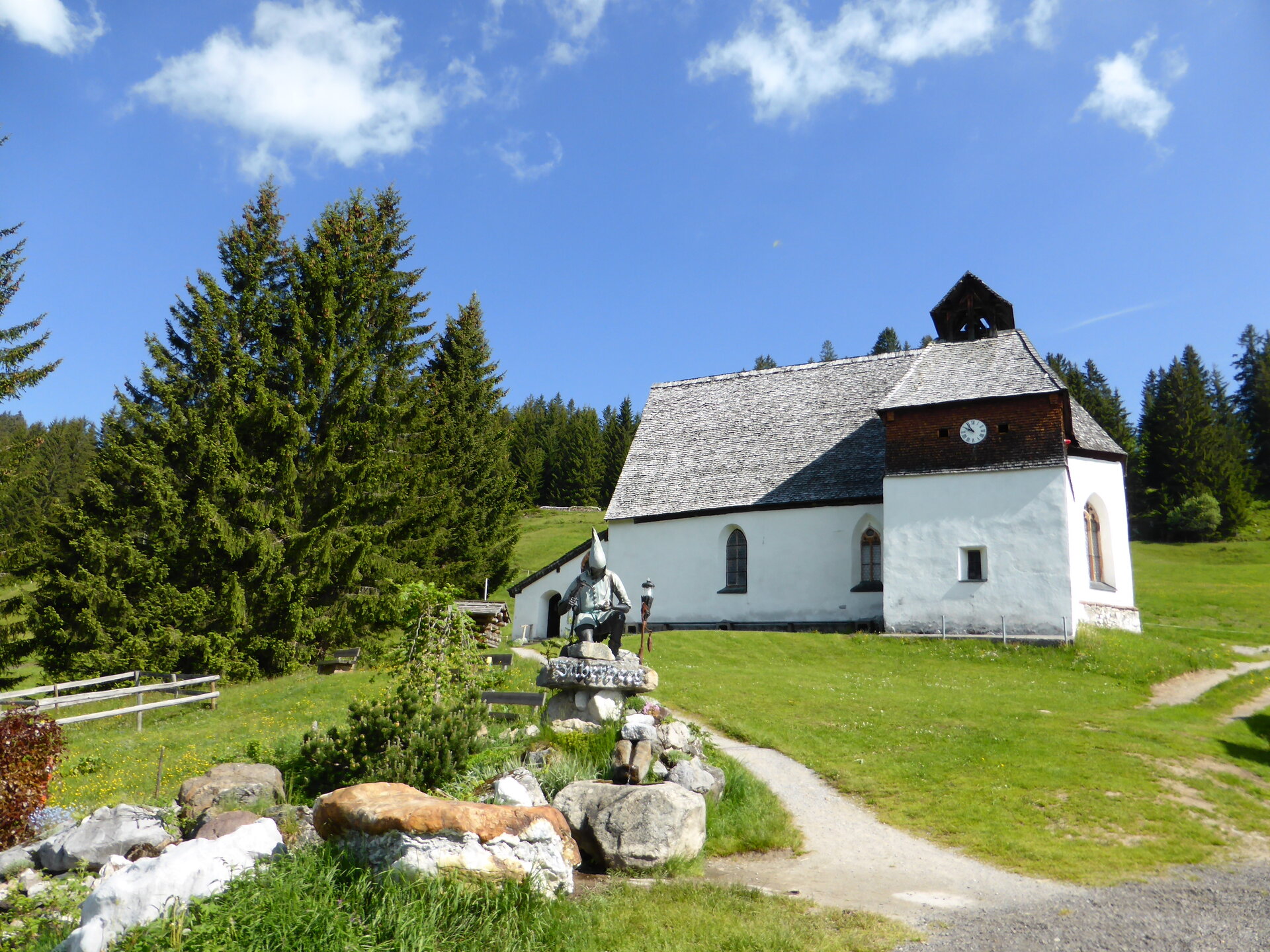
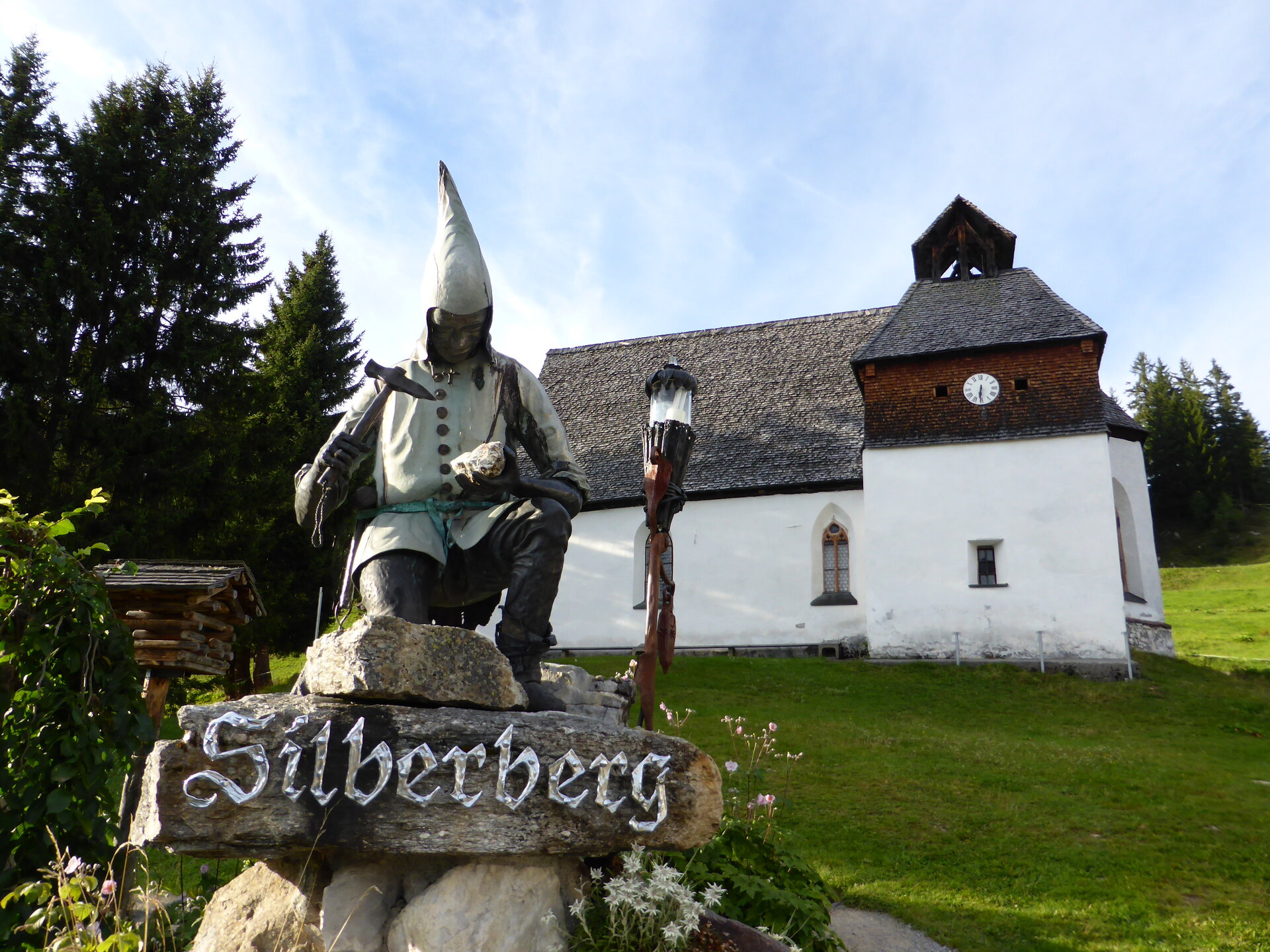
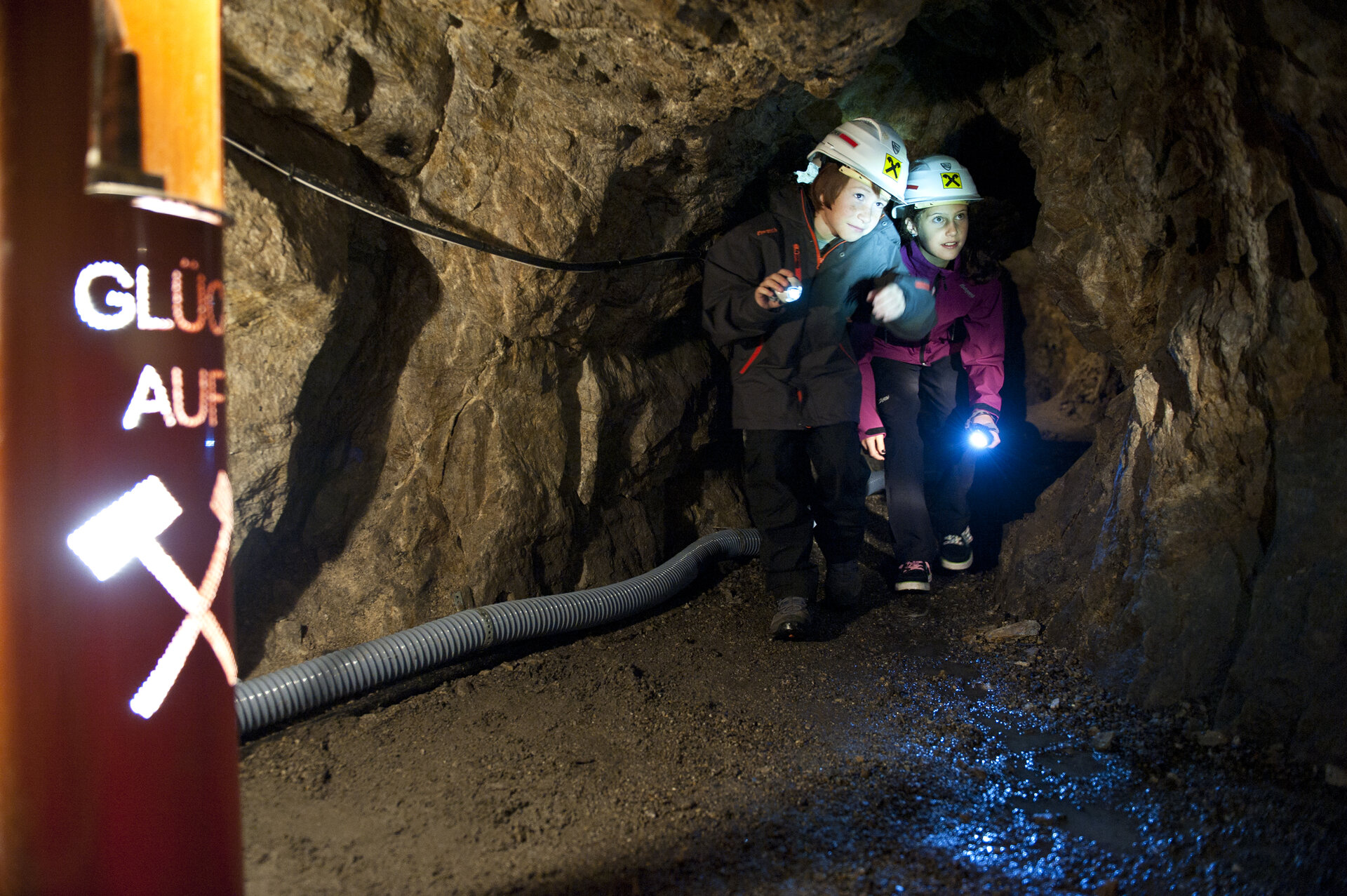
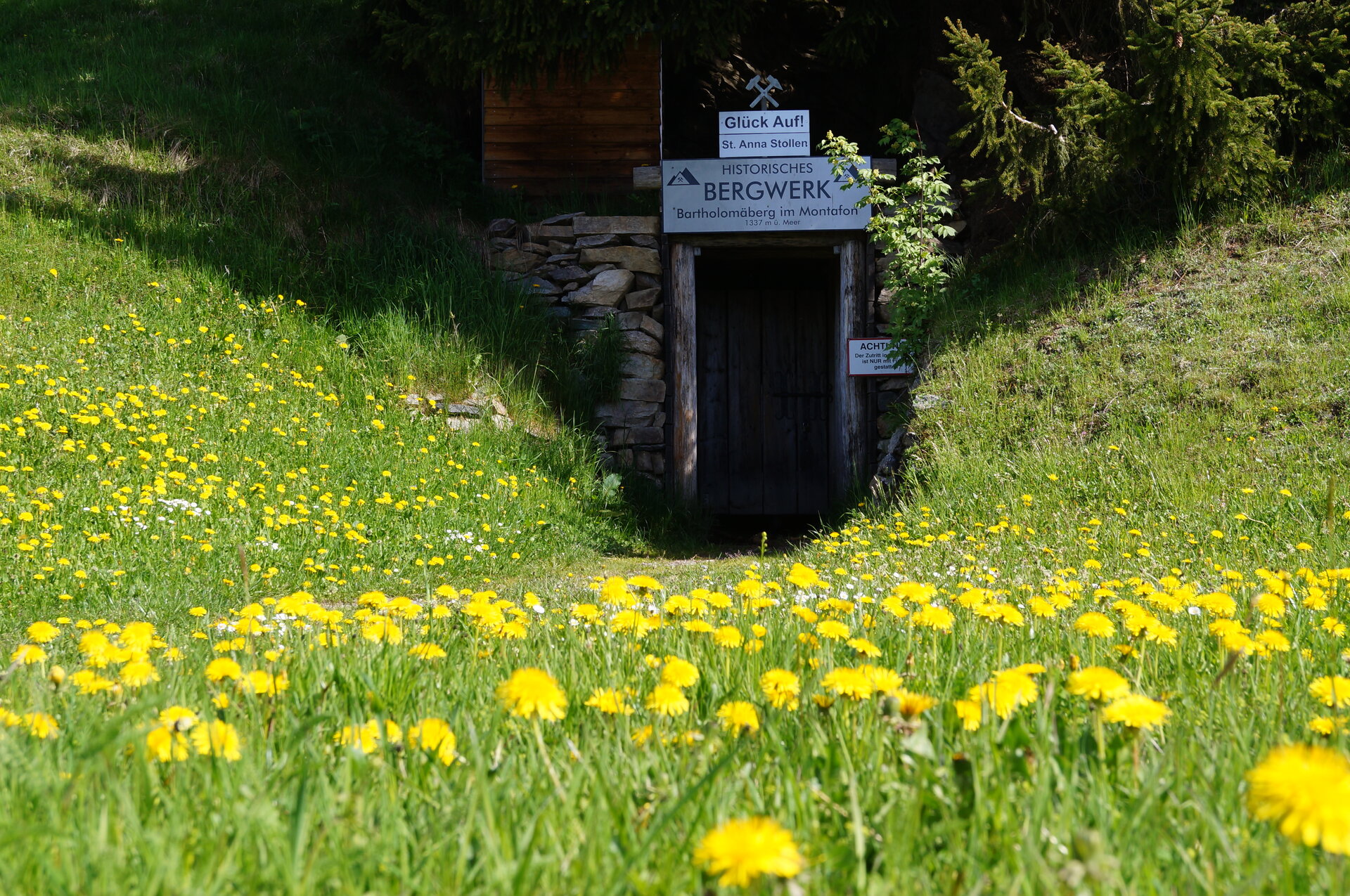
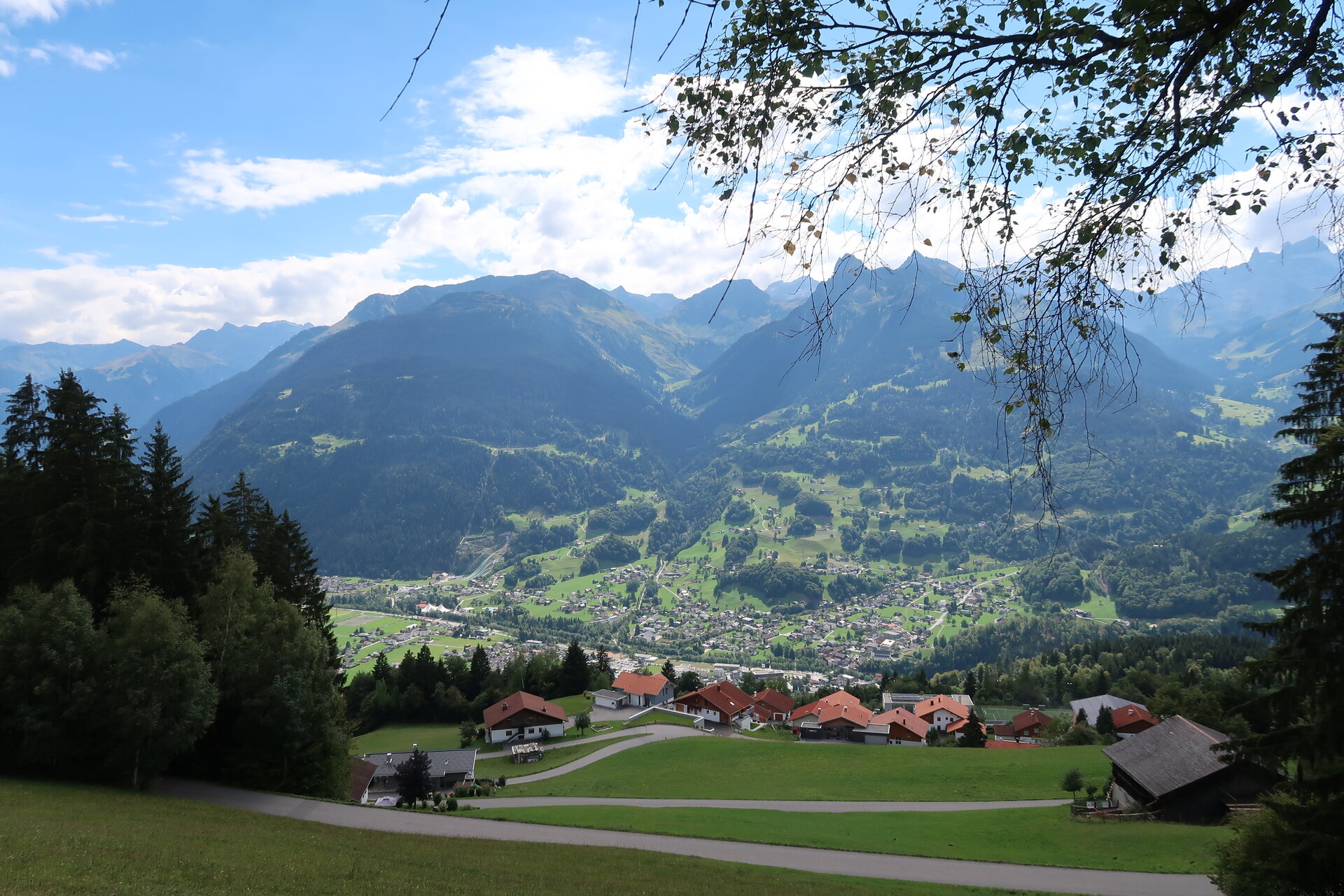
The Bartholomäberg and the Silbertal are richly blessed with ores. Once this was the most important mining area in Vorarlberg. The peak period lasted from the 13th to the 16th century, but the beginnings probably go back even further. The path crosses two mining areas and leads to many visible traces. The cultural landscape as it is seen today also originated as a result of mining. To supply the miners with food, farmers were needed who practiced agriculture here. Since 2012, part of the area has been a protected cultural monument.
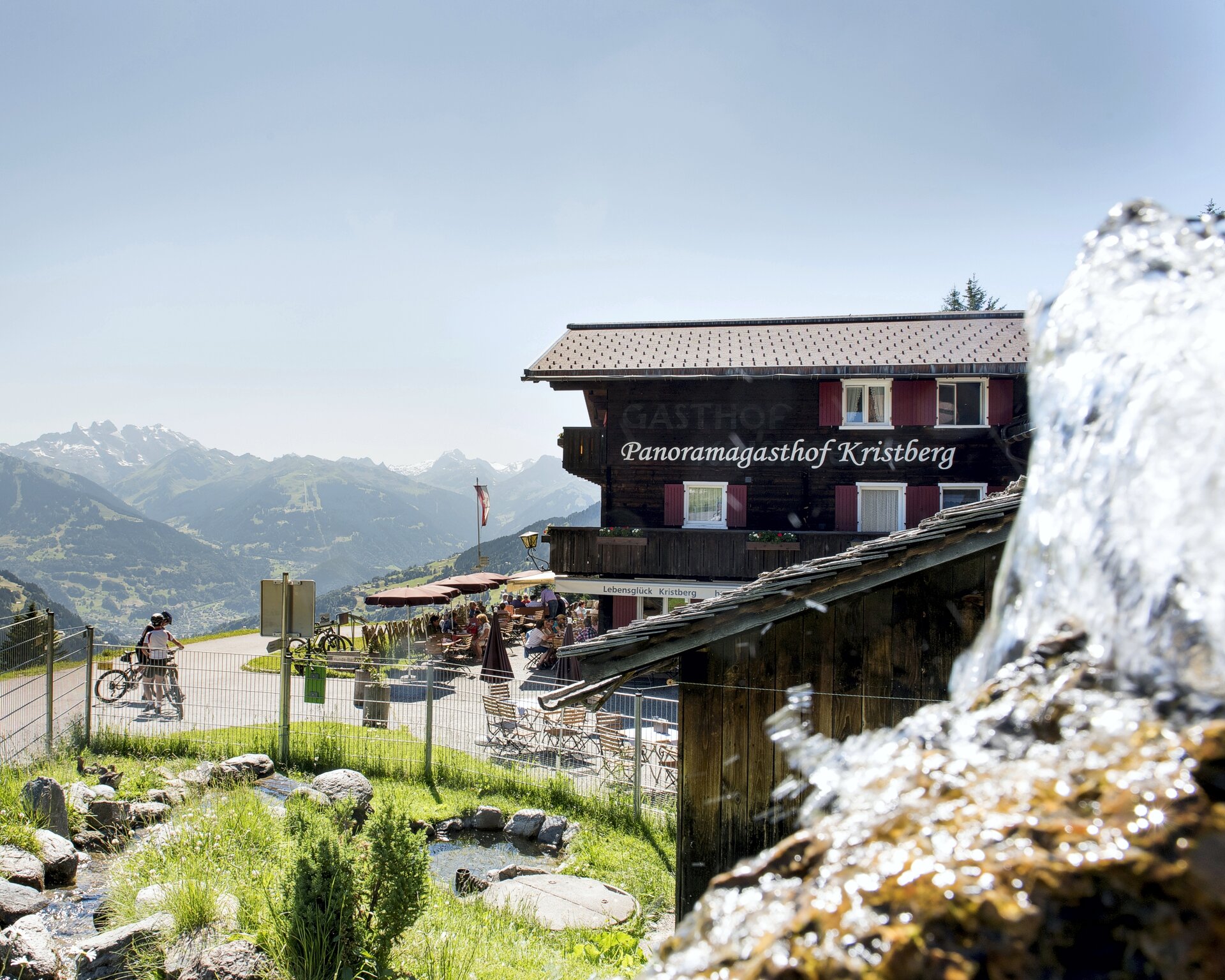
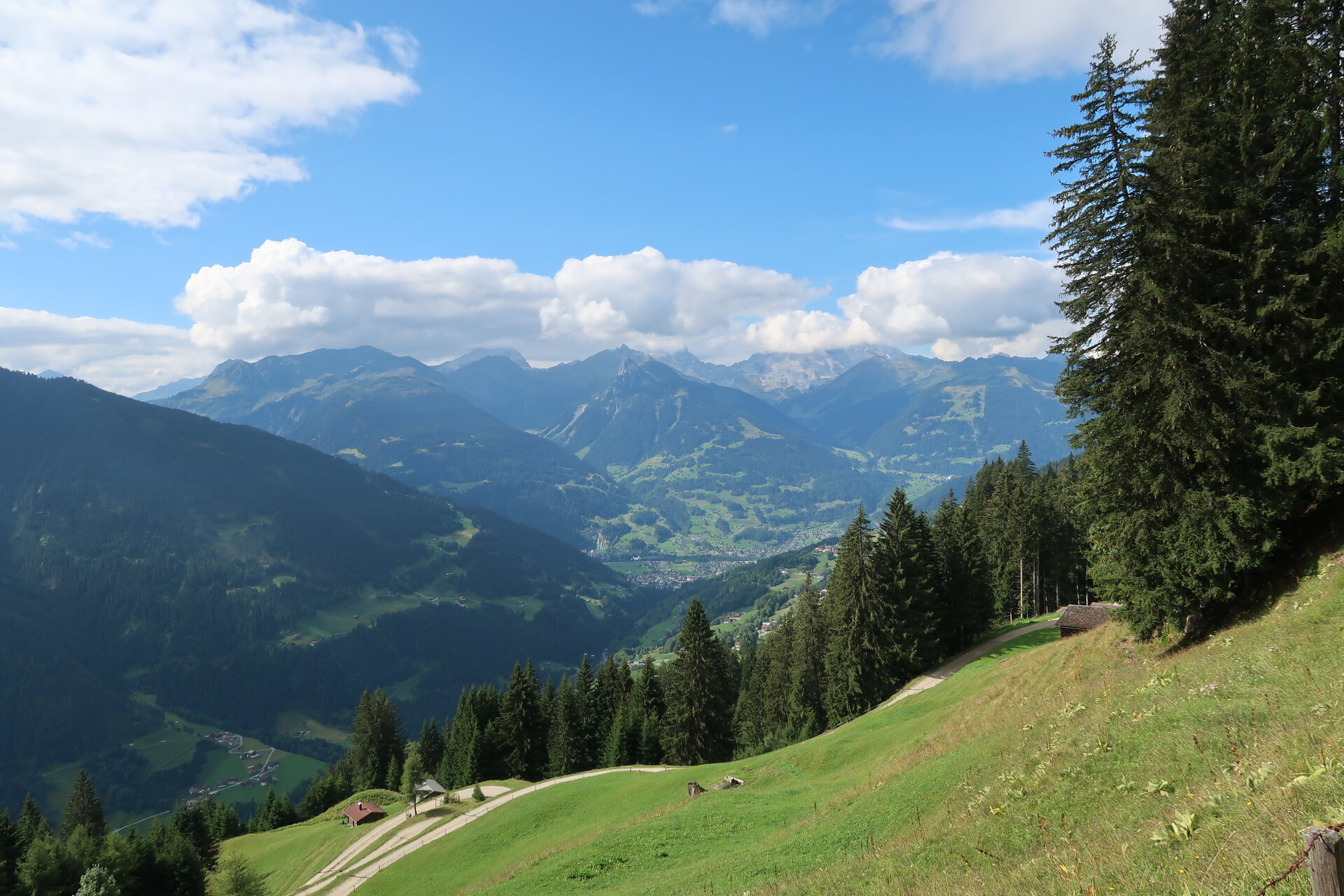
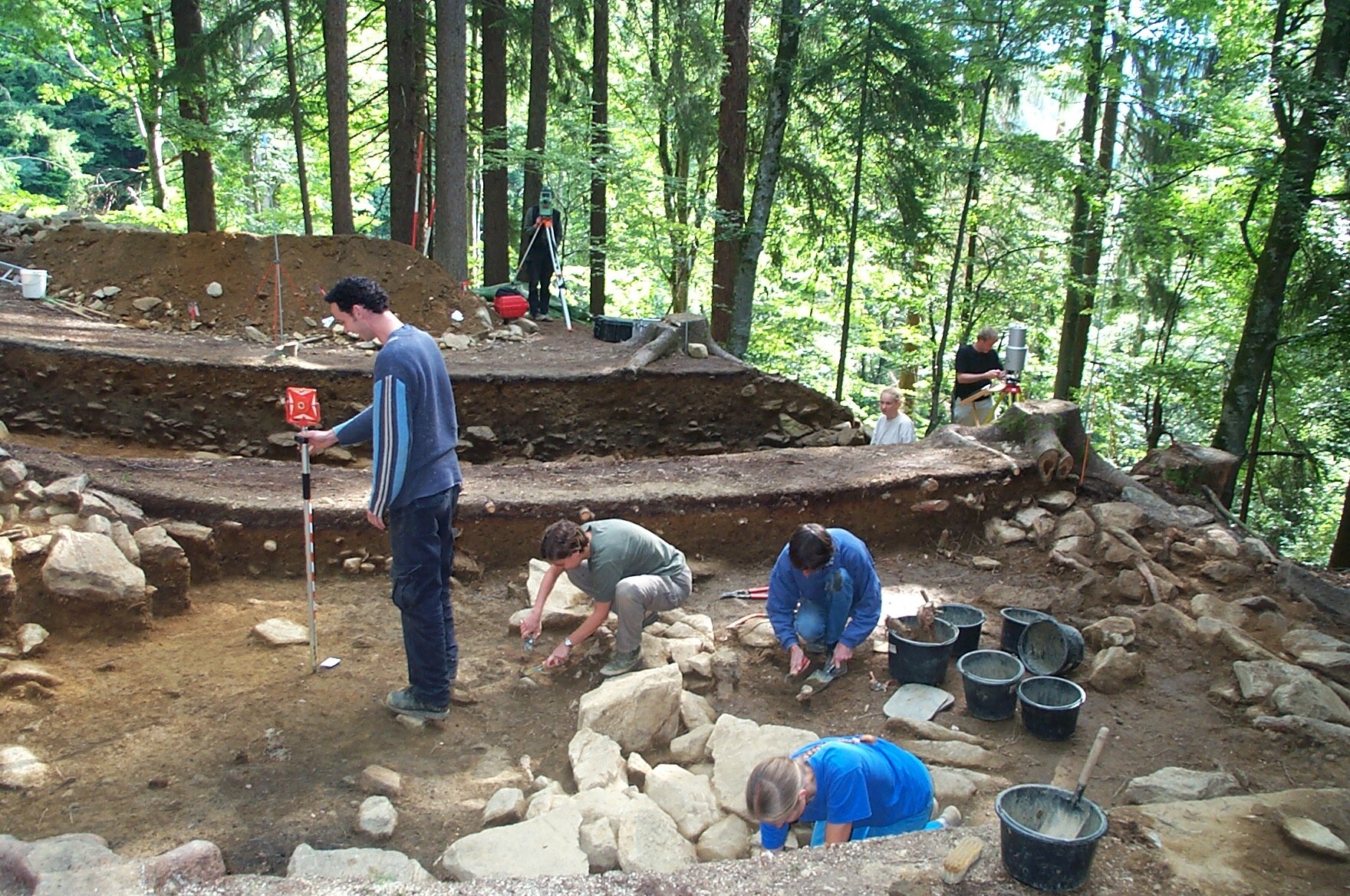
On the way from Kristberg to Schruns, you walk on historic paths. It is assumed that it is an old route used by miners on their way to the mining zone. In fact, for the late Middle Ages, historical records show that miners lived down in the settlement area and ascended to the mining zone daily. The results of archaeological excavations support this assumption.
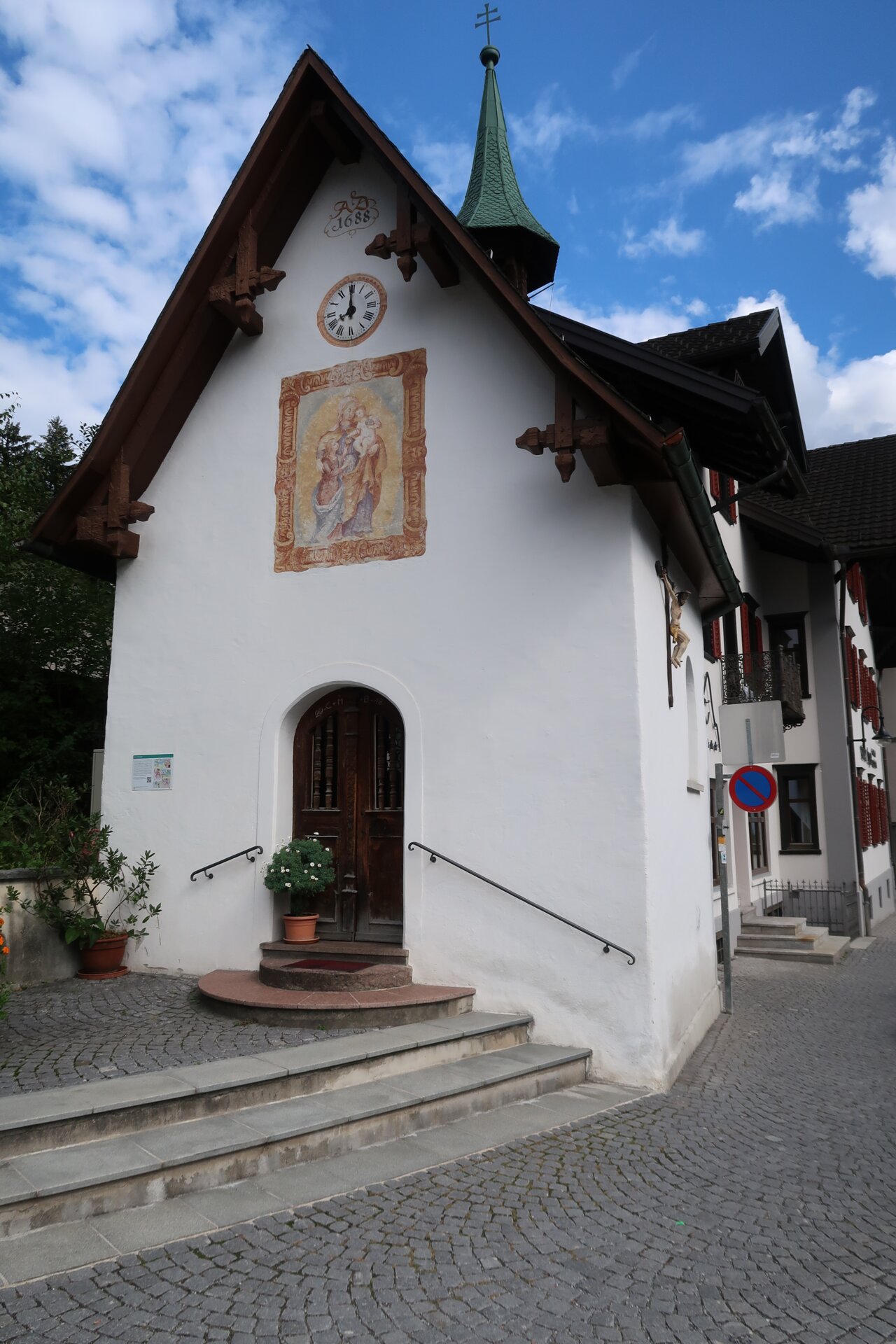
The hiking trail today called the "Miners' Path" probably gained a new meaning. It really seems to be the path used by miners in the Middle Ages, leading about 650 meters uphill from the Litz chapel to the mining zone of the Knappagruaba.
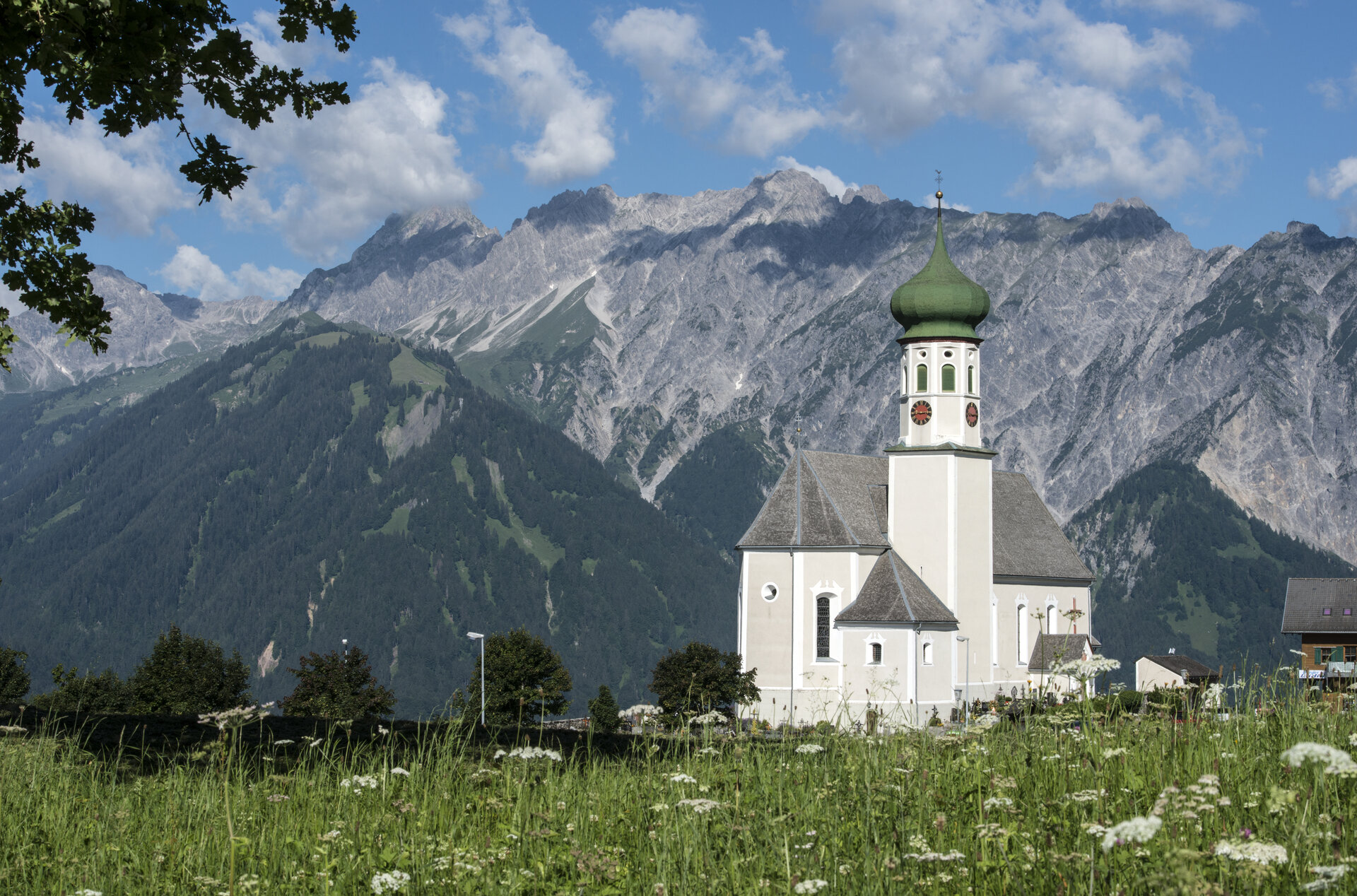
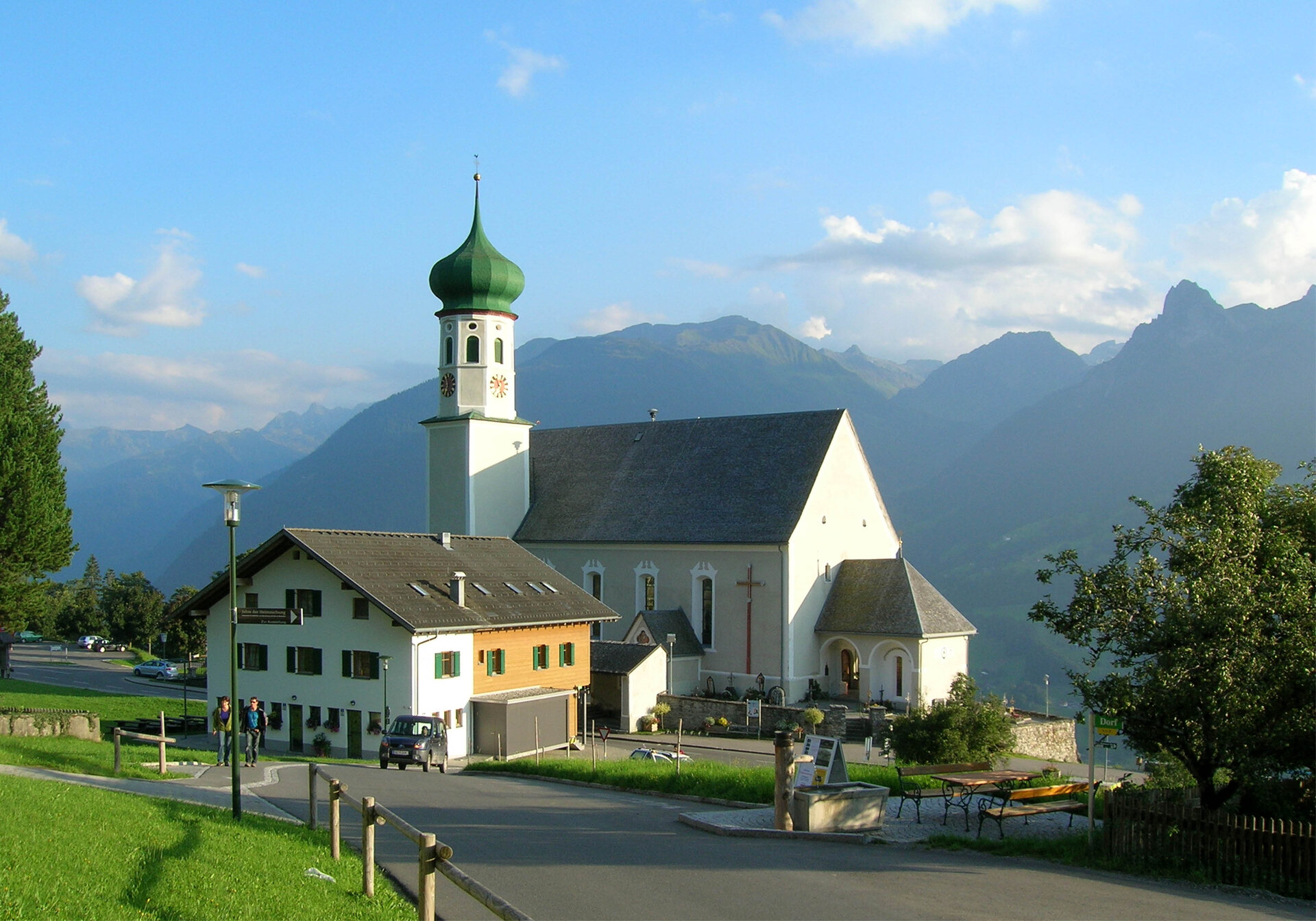
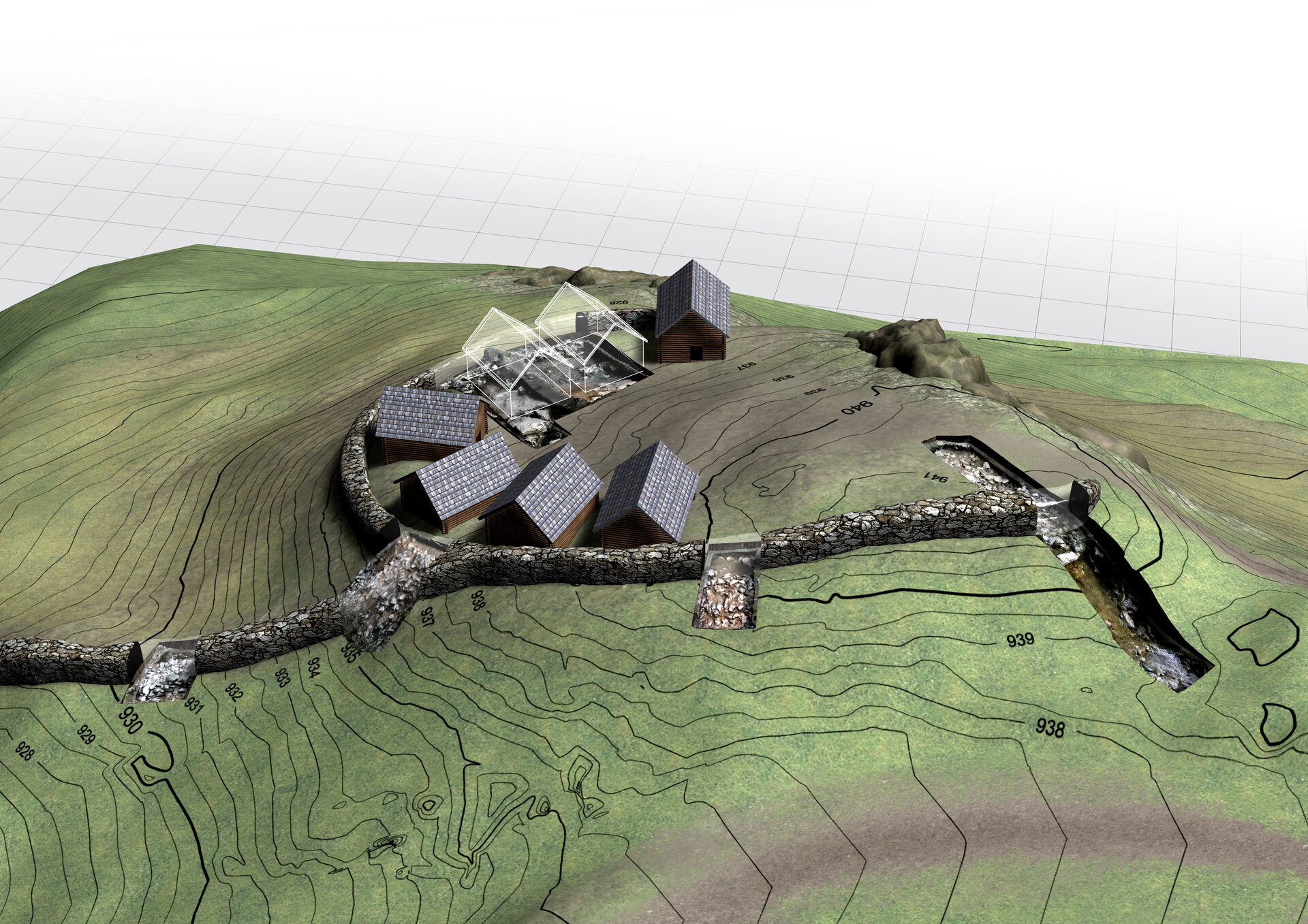
Along the Miners' Path, from the Litz chapel over the Bronze Age castle in the Friaga forest and the high trail in the Allmein at Fritzensee above the Knappagruaba, numerous information boards on early settlement history and mining have been set up to inform hikers about interesting and important stations in the history of Bartholomäberg. In the Early Mass House Bartholomäberg museum, impressions and insights are deepened in the museum presentation as well as in a special exhibition on the settlement and mining history of Montafon.