

Nature conservation in Montafon
Preserving a sensitive Alpine region
The unique nature in Montafon needs our consideration. Together, we can ensure that future generations will also be able to experience this sensitive Alpine world.
Our thoughts on this:
Compliance with and respect for protected areas and restricted zones:
Taking responsibility:

Protected areas
In Montafon, a total of 27.98% of the area has protected status, with various types of protected areas. These include European protected areas, wildlife sanctuaries, protected landscape areas and areas protected from development.

Natura 2000
Areas, significance and management
Natura 2000 is a Europe-wide network of over 27,000 protected areas that aims to preserve the diversity of habitats and flora and fauna in the long term. This network is based on the European Union's Birds Directive and Habitats Directive (FFH Directive). Each EU Member State is obliged to designate sufficiently large protected areas for the habitats and species listed in the Directives and to protect them with tailor-made management plans and conservation measures.
Source: Federal Ministry for Climate Protection, Environment, Energy, Mobility, Innovation and Technology (BMK)
Natura 2000 areas in Montafon
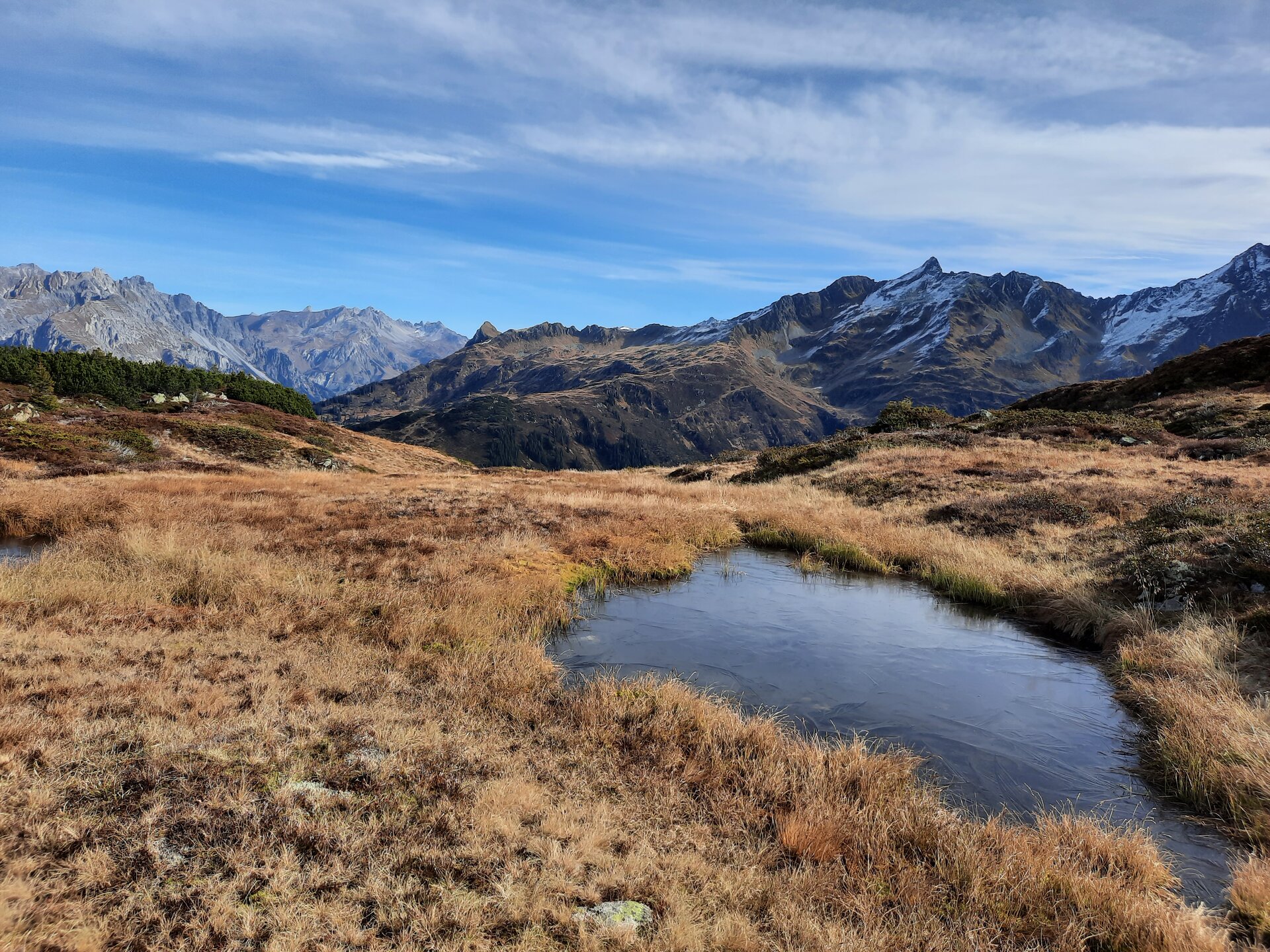
Vorarlberg is home to 39 Natura 2000 areas, which account for around 9.3% of the province's total area. Following Austria's accession to the EU, three areas in Montafon were designated as Natura 2000 areas, including the Verwall European protected area, which, at around 12,000 hectares, is the largest in Vorarlberg.
Source: Stand Montafon
Natura 2000 Regional Management
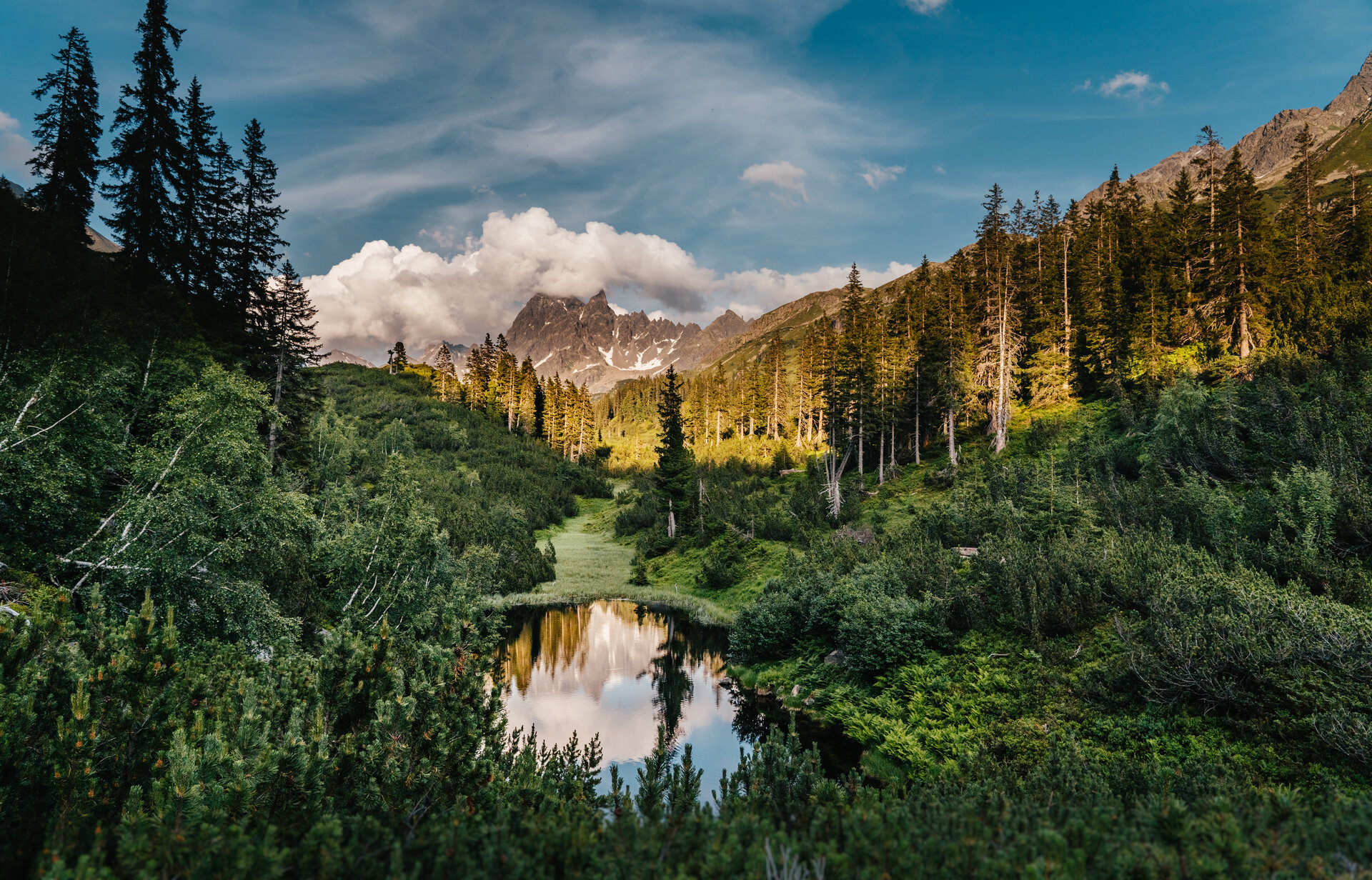
Since 2013, the European protected areas in Montafon and Klostertal have been jointly managed. To this end, the Verwall-Klostertaler Bergwälder Nature Conservation Association was founded, in which municipalities, the state's environmental department, the Montafon district, the Klostertal region, tourism associations, the Chamber of Agriculture and the Nature Conservation Ombudsman work together. Since 2016, biologist Christian Kuehs has been in charge of regional management of the European protected areas in Montafon and Klostertal.
- Further information on the European protected areas in Montafon can be found at Naturvielfalt Vorarlberg.
- Detailed insights into the Verwall and Wiegensee areas are provided in the area guide of the same name, which is available at tourist offices, local authorities and the Montafon stand, and can also be downloaded as a PDF.
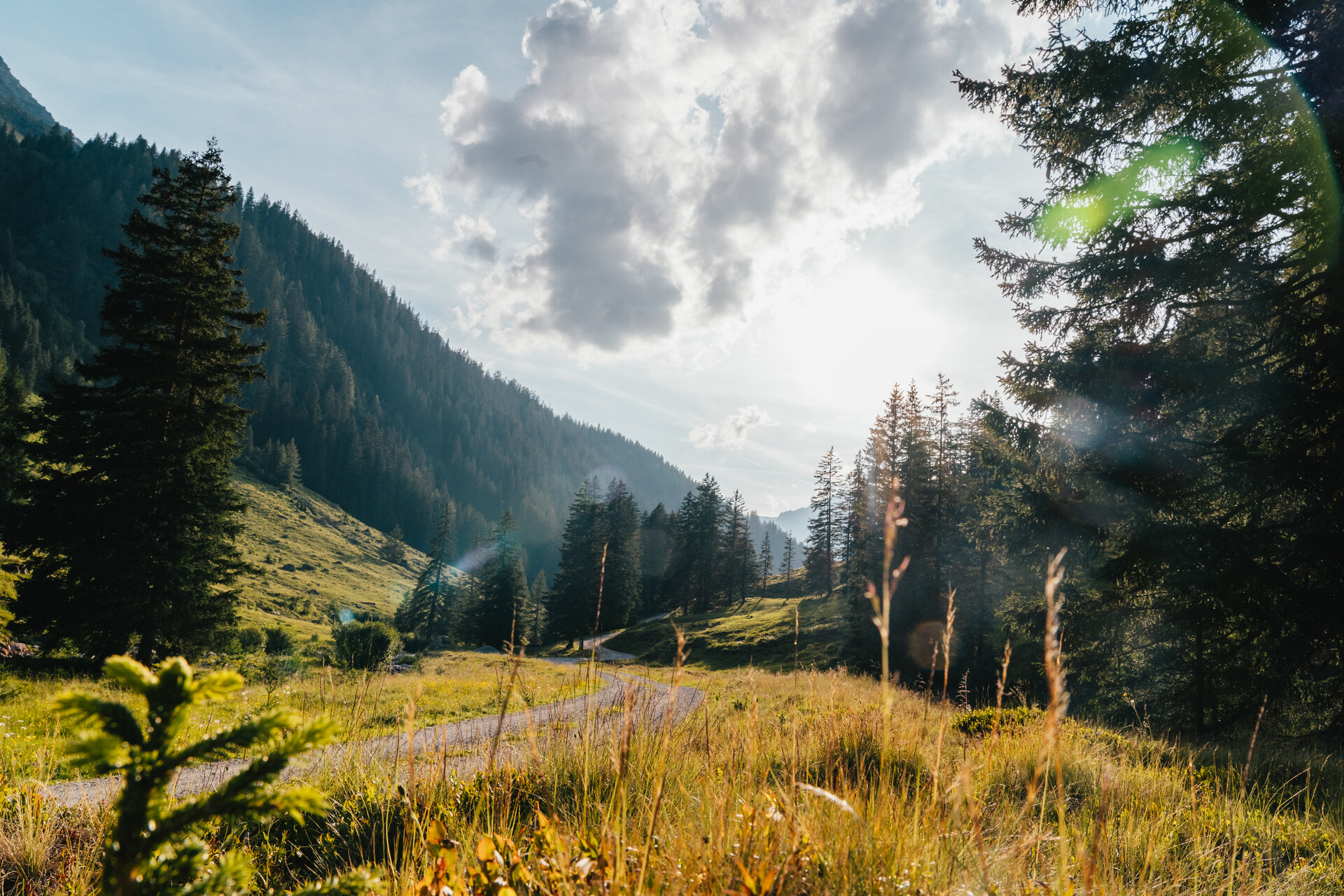
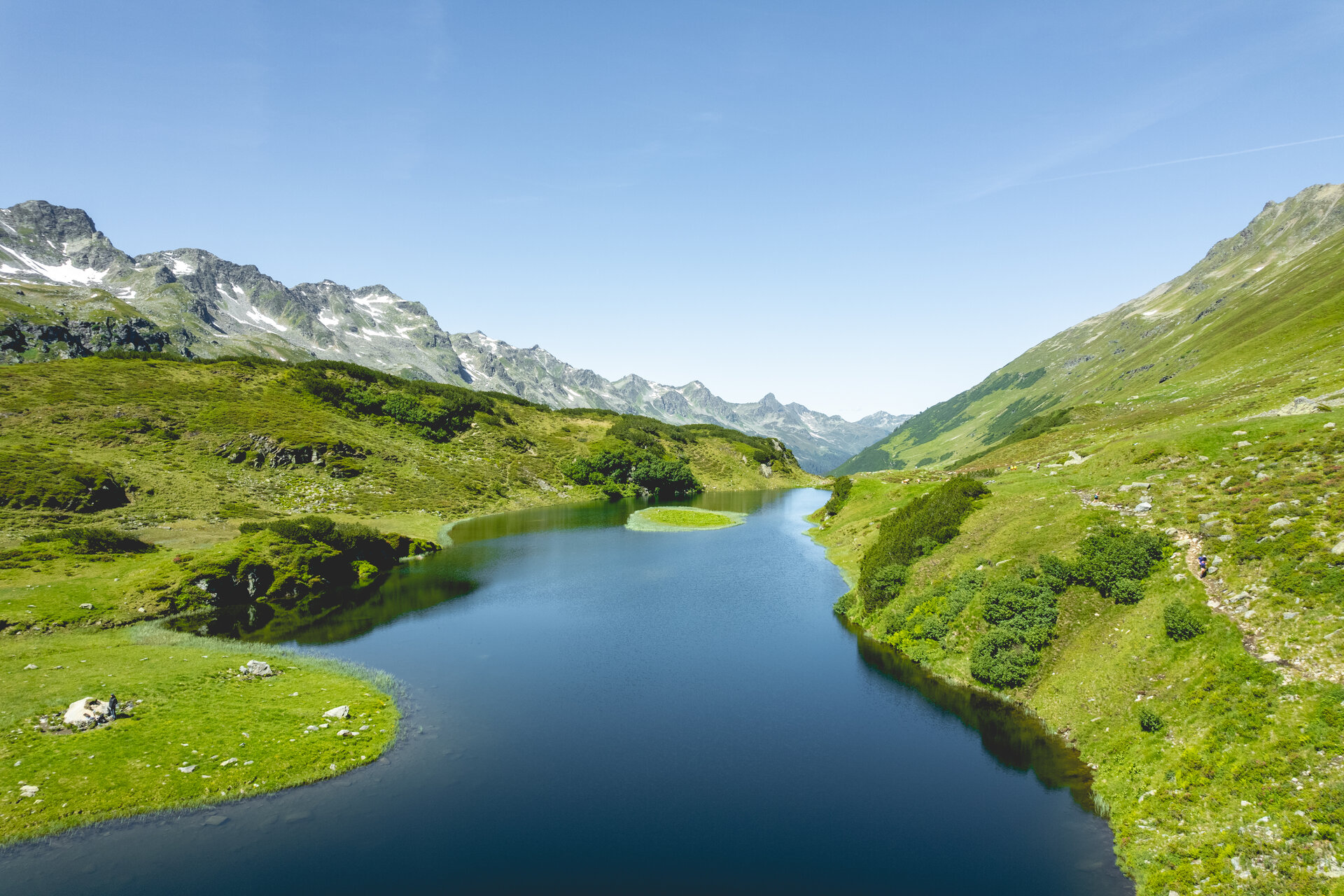
Wildlife sanctuaries, hunting reserves and other protected areas in Montafon
Wildlife rest areas and forest wildlife sanctuaries serve to preserve refuges for our wild animals in areas that are particularly prone to disturbance. Certain rules and regulations apply in these sensitive zones, such as a path requirement stipulating that snowshoe hikes and ski tours may only be undertaken along designated roads, corridors and paths.
You can find out more about this topic and the different zones and areas, as well as their permitted and intended use or avoidance, at:
Biodiversity in Montafon
By protecting our natural environment, we also preserve the biodiversity of our region. But why is protecting biodiversity in Montafon so important?
Biodiversity,...
Austria and its regions...
The biodiversity of the Montafon region comes to life in stories such as those told by Stefanie and Victoria:


Species conservation in Montafon
Even though we are already doing a lot to protect our natural environment in Montafon and Vorarlberg, numerous wild animal and plant species are under threat. The aim of species protection is to preserve these species and their habitats and to safeguard biodiversity. This requires political measures, but also the commitment of each and every individual.
Species protection also means protecting our own livelihoods, because intact ecosystems depend on the interaction of many species. The extinction of individual species therefore also endangers us humans.
In Vorarlberg, species loss is clearly evident: of the 185 native breeding bird species, 21 are already extinct, 16 are threatened with extinction and many more are endangered. Amphibians and plants are also affected. Traditional species protection therefore remains indispensable.
Source: Land Vorarlberg
Would you like to learn more about species conservation in Vorarlberg?
Then we have compiled the following links for you:

